How in-transit fumigation cuts port delays and demurrage costs

Every hour a vessel spends alongside the wharf costs money. Berth fees, demurrage, labour and schedule knock-on effects add up fast — and traditional fumigation, which requires cargo to sit sealed under gas for a fixed exposure period, can add days to that clock. In-transit fumigation offers a smarter alternative: treat the cargo while the ship is already doing what it's meant to do — sailing.
What in-transit fumigation is
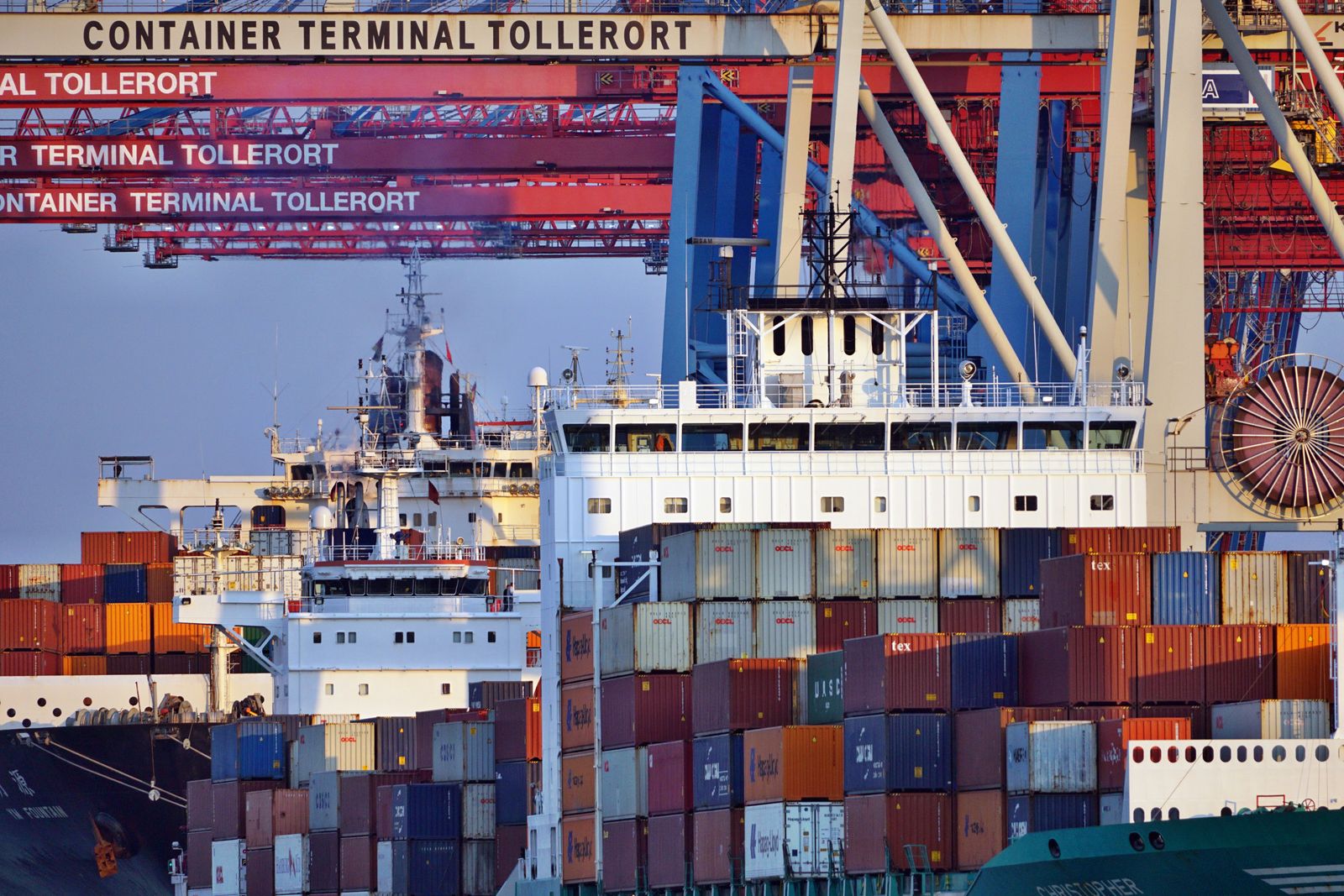
In-transit fumigation means applying an approved fumigant to cargo after the vessel has been loaded and is under way, rather than holding it in port for treatment. The gas does its work during the voyage, so the required exposure period overlaps with time the cargo would be travelling anyway.
It is most commonly used for bulk commodities and containerised goods such as grain, wood pellets, cotton and other agricultural products bound for export.
Why it saves time and money
The advantage is straightforward: the treatment window is absorbed into the sailing time. That translates into real, measurable savings:
- Less time at berth — no waiting in port for a full fumigation cycle to complete.
- Lower demurrage exposure — vessels move on schedule instead of holding for treatment.
- Faster clearance on arrival — when the exposure period is complete on docking, cargo can be certified gas-free and released promptly.
- Better supply-chain predictability — fewer variables between loading and delivery.
Safety and compliance come first
In-transit fumigation is tightly regulated. It requires the vessel master's agreement, strict gas monitoring, qualified personnel and adherence to the importing country's requirements. It is not suitable for every ship, commodity or route — which is why the assessment matters as much as the treatment itself.
When it's the right choice
In-transit fumigation works best on longer voyages where the sailing time comfortably covers the exposure period, and where the vessel and cargo configuration allow safe application and monitoring. For shorter routes or certain commodities, in-port or pre-loading treatment may still be the better option.
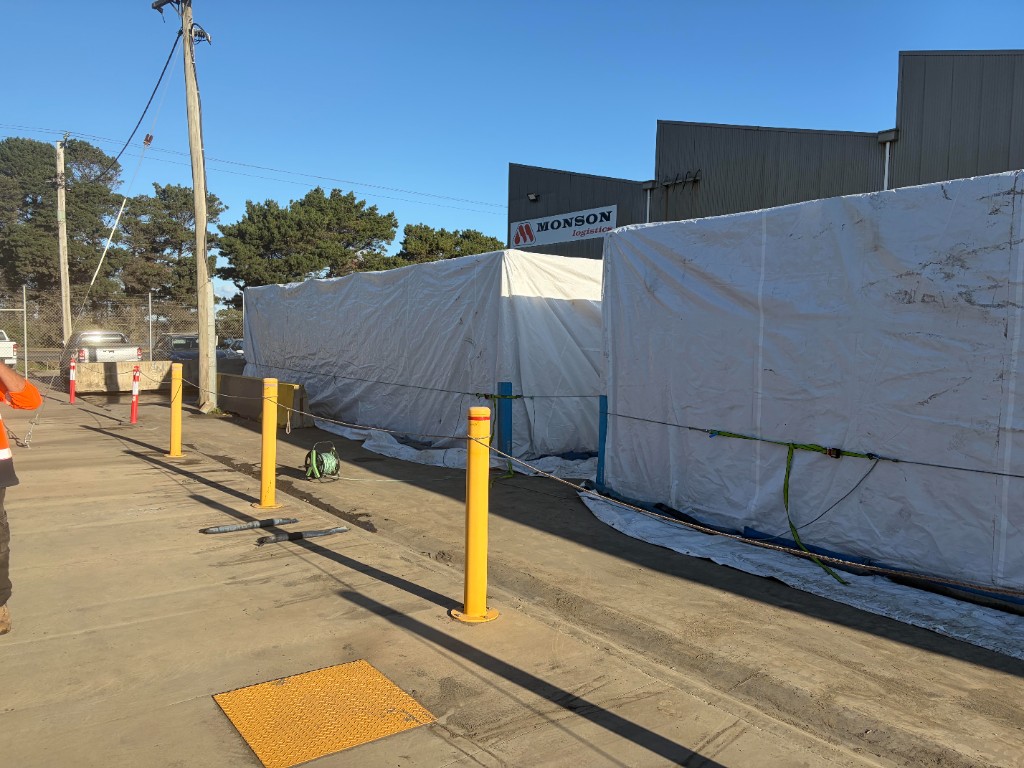
TFS Fumigation provides Department of Agriculture-approved in-transit fumigation for containers and bulk cargo using globally recognised fumigants, with treatment monitored to the importing country's requirements. If you want to know whether your next shipment is a candidate, our team can assess the route and commodity and advise before you book.

Talk to the TFS Fumigation team
Licensed, DAFF-approved and available 24/7 across Australia.