Phosphine vs sulfuryl fluoride: choosing the right grain fumigant
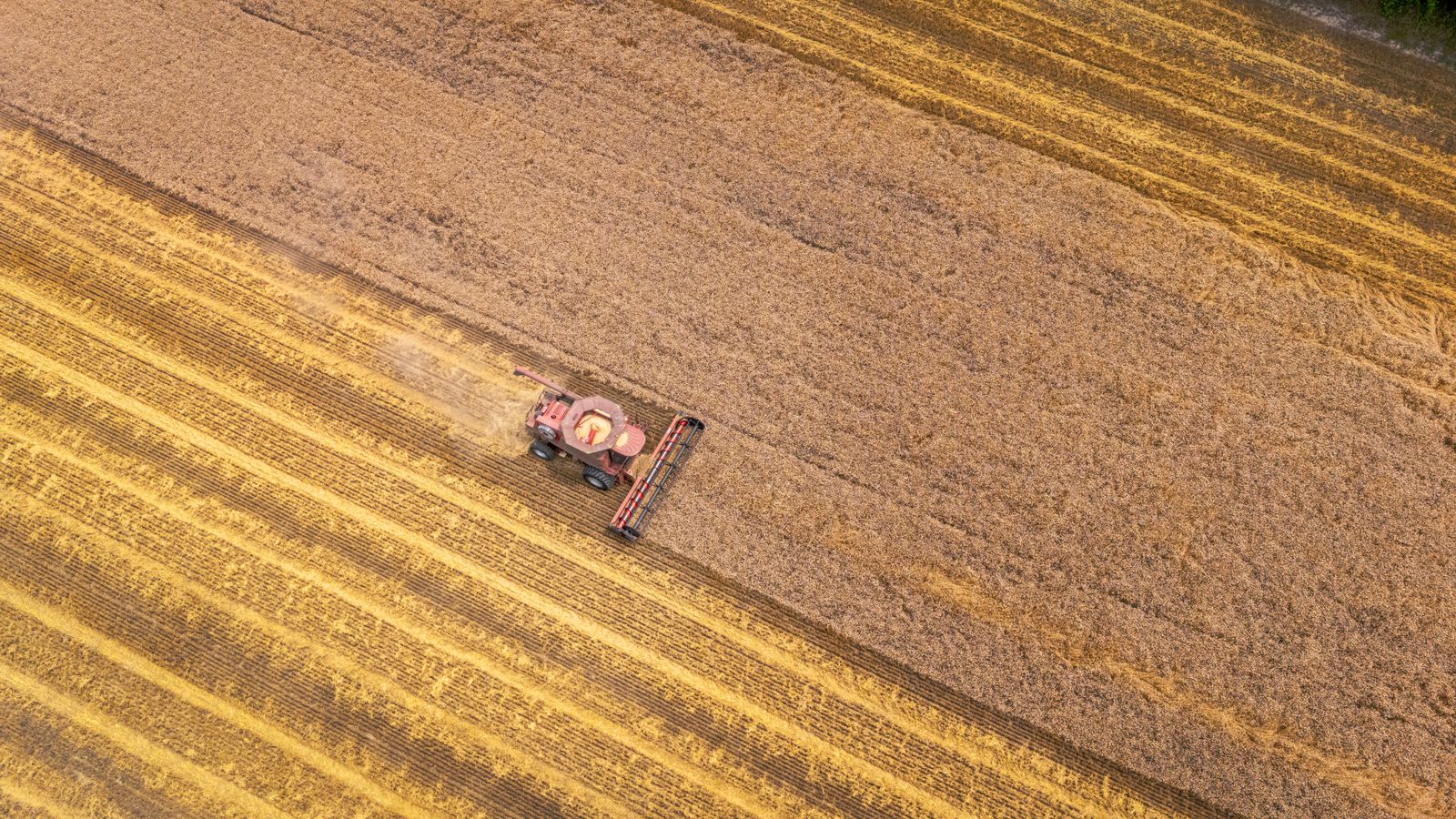
When it comes to protecting stored grain and other bulk commodities, two fumigants dominate the conversation: phosphine and sulfuryl fluoride. Both are effective, both are widely used, and both have very different characteristics. Choosing correctly depends on your commodity, your timeframe, your storage and — critically — the requirements of the market you're selling into.
Phosphine: the workhorse of grain storage
Phosphine has been the backbone of grain fumigation for decades. It is generated from aluminium or magnesium phosphide and is well suited to sealed silos, bunkers and bulk storage.
- Strengths: cost-effective, widely accepted by importing countries, leaves no significant residue, and penetrates bulk grain well in a properly sealed structure.
- Limits: it works slowly, requiring longer exposure periods, and it depends heavily on a gas-tight seal. Poorly sealed storage is the single biggest cause of failed phosphine treatments — and under-dosing is a major driver of resistance in stored-grain pests.
Sulfuryl fluoride: speed and flexibility
Sulfuryl fluoride is a faster-acting fumigant that has become increasingly important where time is tight or where phosphine isn't suitable.
- Strengths: rapid action and shorter exposure times, effective across a broad range of pests and life stages, and excellent penetration.
- Limits: generally higher cost, and acceptance can vary by destination — so it isn't always the right pick for every export market.
The seal matters more than the gas
Whichever fumigant you choose, a gas-tight enclosure is what determines success. An unsealed silo can leak gas below lethal concentrations, leaving survivors, wasting product and accelerating resistance. Always confirm your storage can hold gas before treatment begins.
So which should you use?
There is no single right answer — it's a judgement call based on several factors:
- Timeframe: tight shipping deadlines often favour the faster action of sulfuryl fluoride.
- Storage: well-sealed silos and bunkers suit phosphine; other situations may not.
- Destination: the importing country's accepted treatments should drive the decision for export cargo.
- Cost: phosphine is typically more economical where time allows.
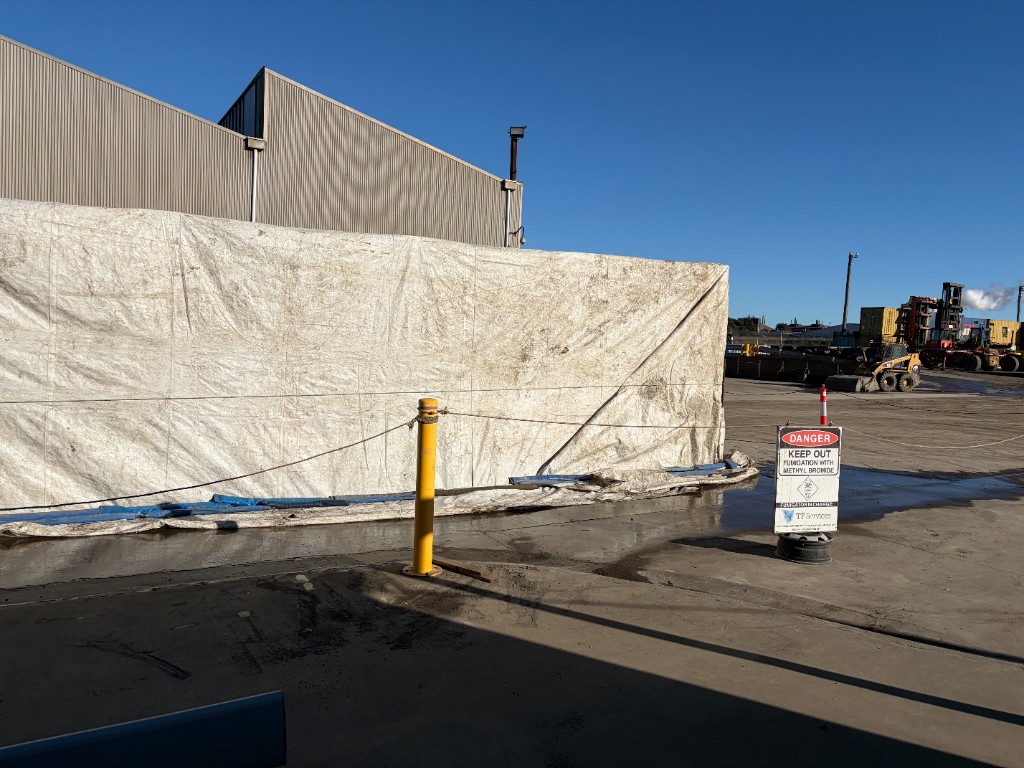
At TFS Fumigation we treat stored grain in silos, bunkers, sheds and bulk storage, and we match the fumigant and dose rate to your commodity, your storage and your market. If you're planning treatment ahead of harvest intake or an export window, talk to our team and we'll recommend the right approach.

Talk to the TFS Fumigation team
Licensed, DAFF-approved and available 24/7 across Australia.