
ISPM-15 explained: what exporters must know about timber packaging

If you export goods on timber pallets, in wooden crates or with any solid-wood packaging, there is one international rule you cannot afford to overlook: ISPM-15. It is one of the most common reasons shipments are held, fumigated at the border at the exporter's expense, or turned away entirely — and almost all of those problems are avoidable.
What ISPM-15 actually is
ISPM-15 (International Standards for Phytosanitary Measures No. 15) is a global standard that regulates wood packaging material used in international trade. Its purpose is simple: raw timber can harbour insects and fungi that become invasive pests when they cross borders. By requiring all solid-wood packaging to be treated and marked, importing countries protect their forests, farms and native environments.
More than 180 countries recognise ISPM-15, so if your cargo is heading overseas, the destination almost certainly enforces it.
Which packaging is covered
The standard applies to solid-wood packaging thicker than 6mm, including:
- Pallets and skids
- Crates and boxes
- Dunnage and bracing timber
- Cable drums and spools
- Load-bearing timber used to secure or support cargo
Manufactured products such as plywood, OSB and particleboard are generally exempt because the manufacturing process already destroys pests. If you are unsure how a particular item is classified, it is always worth confirming before you ship.
How compliant timber is treated and marked
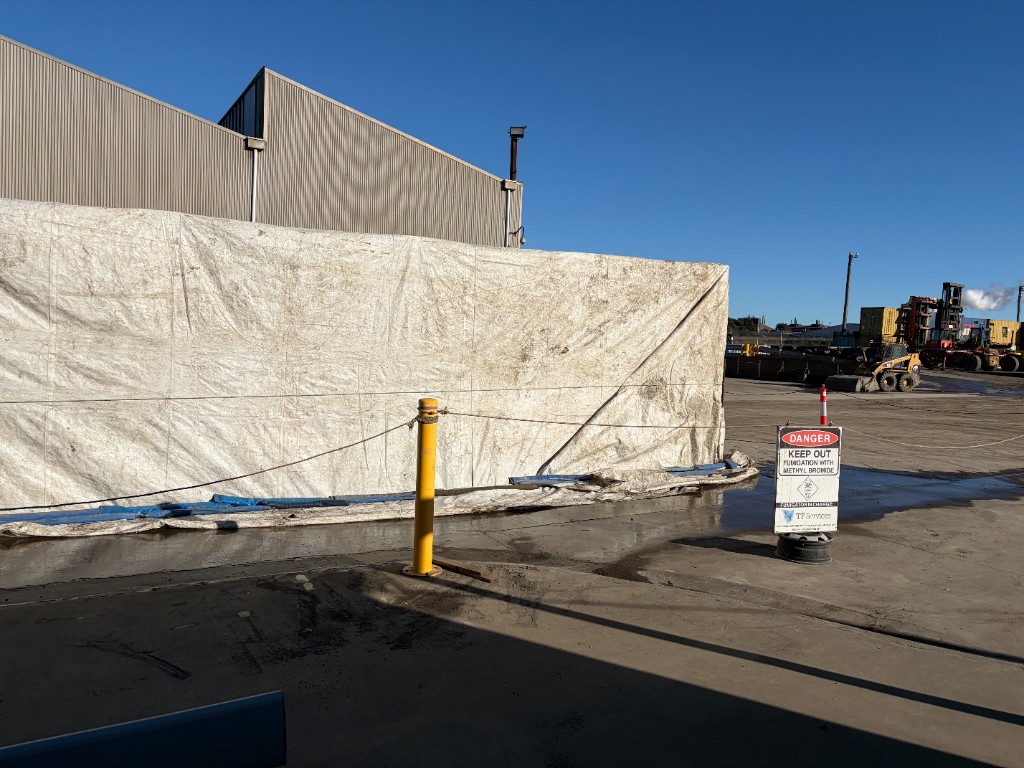
There are two accepted treatments under the standard: heat treatment (HT) and methyl bromide fumigation (MB). Once treated, the timber is stamped with the internationally recognised IPPC mark — a wheat-ear symbol alongside a country code, a unique facility number and the treatment code. That stamp is what border officials look for, and it must be present, legible and correct on every piece of regulated packaging.
The most common (and costly) mistakes
Missing or illegible stamps, reusing offcuts of untreated timber as dunnage, and assuming a supplier's packaging is already certified are the three errors we see most. Any one of them can trigger inspection delays, re-treatment fees or a rejected consignment.
How to stay compliant
The safest approach is to build compliance into your packing process rather than checking it at the last minute:
- Source packaging from suppliers who can prove ISPM-15 certification.
- Inspect stamps before loading — every pallet, every crate, every piece of dunnage.
- Keep treatment and certification records with your shipping documents.
- When in doubt, have your packaging treated and marked by a licensed provider before it leaves the yard.
At TFS Fumigation we provide treatment, certification and compliant marking of wood packaging to the requirements of the destination country — so your export packaging clears quarantine and your shipment keeps moving. If you are unsure whether your packaging meets the standard, talk to our team before you book your next consignment.


Talk to the TFS Fumigation team
Licensed, DAFF-approved and available 24/7 across Australia.