Exporting logs to China: meeting DAFF and destination protocols
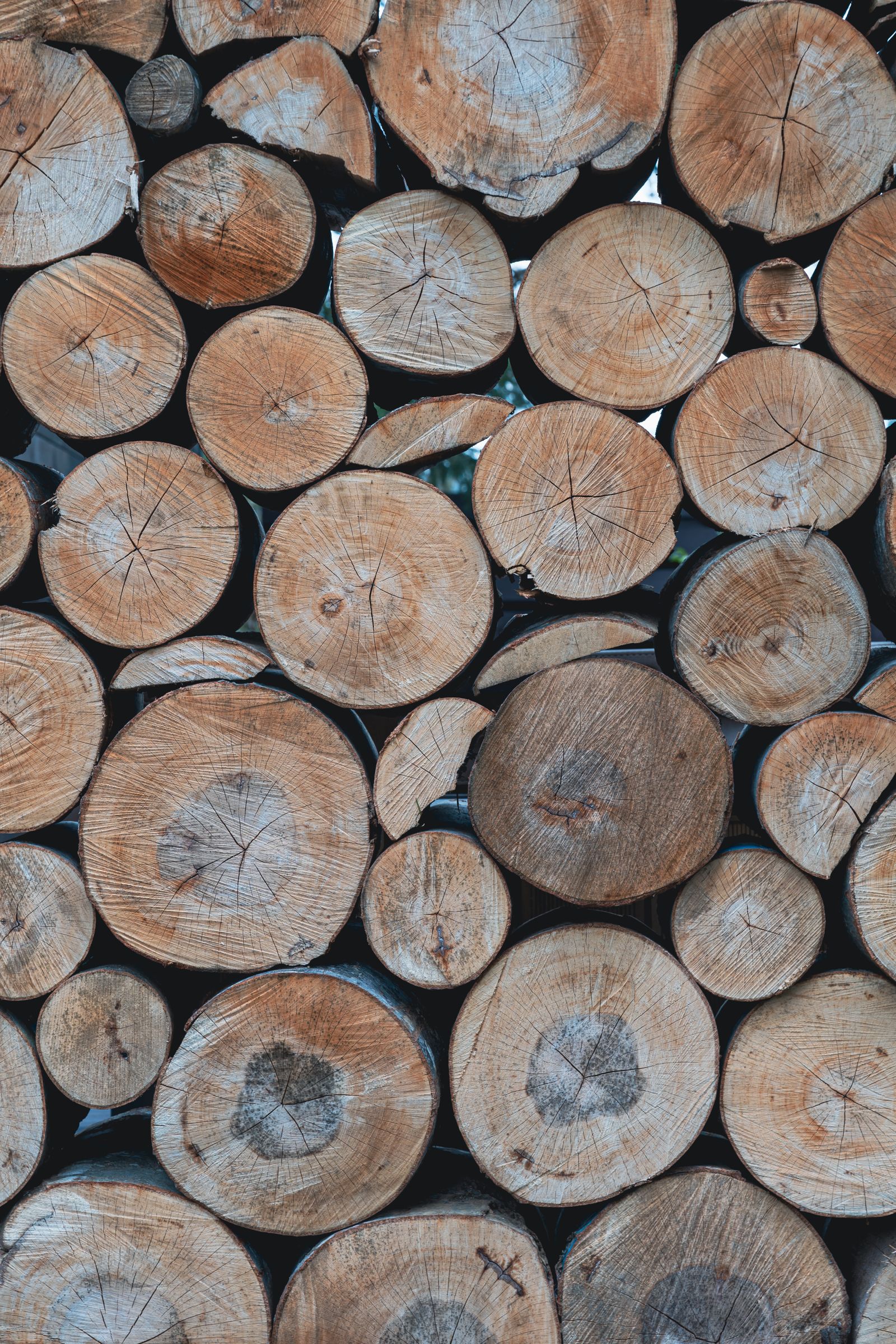
China is one of the largest markets for Australian timber, and log exports there come with some of the most detailed phytosanitary requirements in the trade. Getting the treatment and paperwork right is the difference between a consignment cleared on arrival and one held, re-treated or rejected at the destination port — an outcome that can be enormously expensive.
Why logs attract strict protocols
Raw logs are high-risk from a biosecurity standpoint. Bark and untreated timber can carry bark beetles, nematodes, fungi and other organisms that importing countries are determined to keep out. Because of that risk, log trade operates under bilateral protocols that set out exactly how consignments must be treated, inspected and certified.
The two sides of compliance
Successful log exports depend on satisfying two authorities at once:
- DAFF (Australia): As the exporting-country authority, the Department oversees treatment standards and issues the phytosanitary certification that accompanies the consignment.
- The destination protocol (China): The importing country sets the accepted treatments, tolerances and documentation. Australian exporters must meet these exactly for cargo to be released on arrival.
Fumigation — typically to a defined concentration and exposure period — is central to meeting these requirements, and it must be carried out and certified by an approved provider.
Small errors, big consequences
Incorrect dose rates, poor gas retention under tarps, incomplete documentation or a mismatch between the certificate and the physical consignment are all common reasons cargo runs into trouble at the destination. With log volumes, even a short hold can be costly.
How to protect your consignment
- Confirm the current destination protocol before you book — requirements are updated from time to time.
- Use a fumigator experienced with log treatment and the destination's specific requirements.
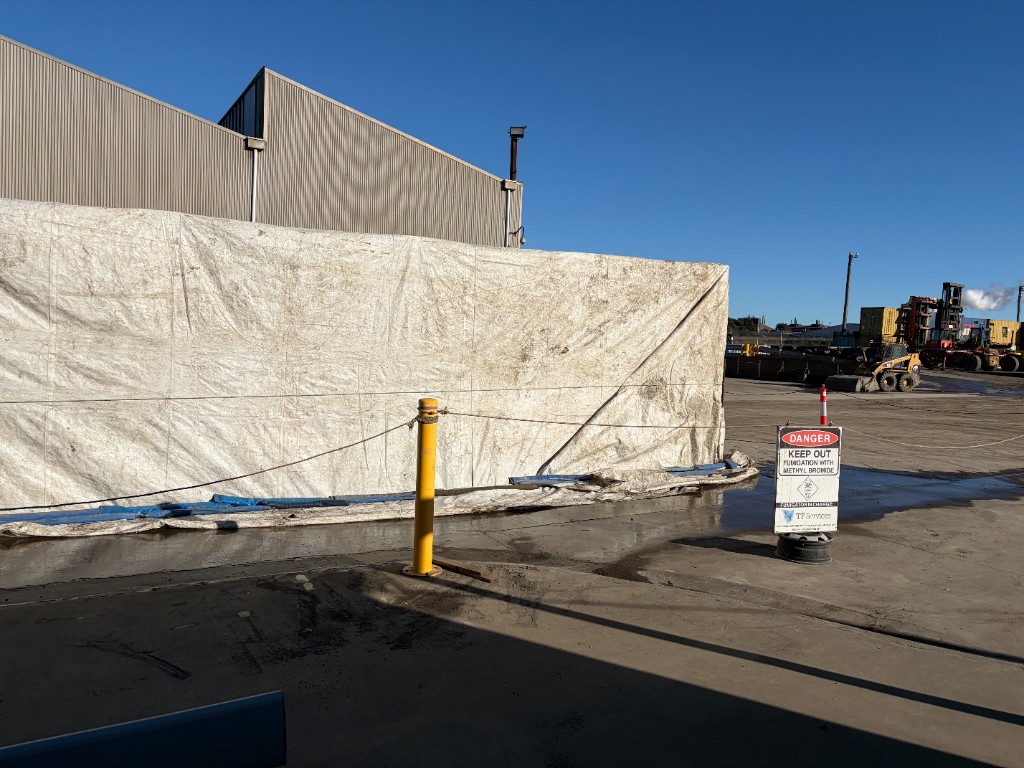
- Ensure gas-tight tarping and monitoring so the target concentration is actually achieved and held.
- Keep certification precise and consistent with the physical cargo.
TFS Fumigation is DAFF certified under Class 12.1 and 12.2, with deep knowledge of grain and log fumigation requirements for international markets. We treat consignments to the exact standards required so they stay compliant, pest-free and cleared for travel. If you're exporting logs, talk to our team early — protocol detail is where consignments are won or lost.
Talk to the TFS Fumigation team
Licensed, DAFF-approved and available 24/7 across Australia.